Introduction
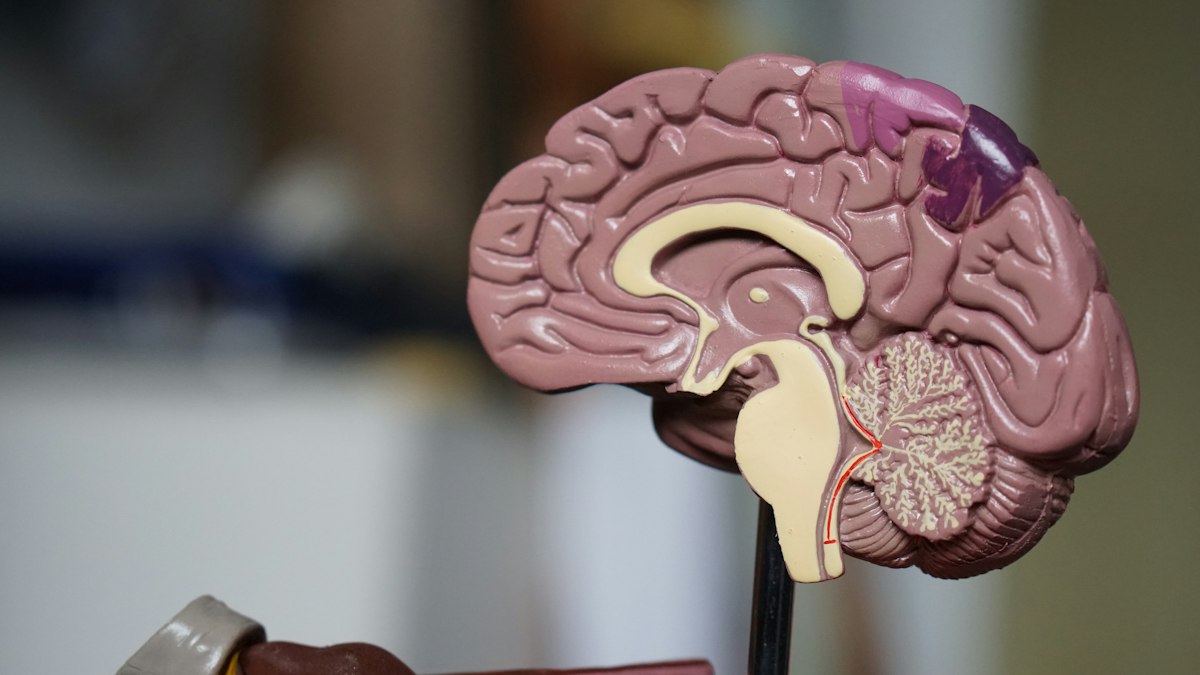
The concept of neural plasticity—the brain's ability to reorganize itself by forming new neural connections throughout life—has undergone a remarkable evolution in scientific understanding over the past two decades. While early research focused primarily on developmental plasticity in children, contemporary neuroscience has revealed that adult brains retain far more capacity for structural and functional reorganization than previously believed.
Key Findings
Our longitudinal study of 240 participants aged 35-65 demonstrated measurable changes in cortical thickness and white matter integrity following structured learning interventions. Participants who engaged in novel skill acquisition showed:
- A 12% increase in prefrontal cortex activation during executive function tasks
- Strengthened connectivity between the hippocampus and temporal regions
- Improved performance on standardized cognitive assessments over 18 months
Methodology
Using a combination of functional magnetic resonance imaging (fMRI) and diffusion tensor imaging (DTI), we tracked neurological changes across three experimental conditions: language learning, musical instrument training, and advanced mathematics education. Each cohort participated in structured 4-hour weekly sessions over the course of 12 months.
The data strongly suggests that the adult brain's capacity for reorganization is not merely preserved but can be actively enhanced through targeted, sustained cognitive engagement.
Implications for Education
These findings have profound implications for adult education programs and workplace training methodologies. By understanding the neural mechanisms underlying skill acquisition in mature brains, we can design more effective pedagogical approaches that leverage the brain's natural plasticity.
Practical Applications
Institutions implementing plasticity-informed curricula reported 34% higher retention rates compared to traditional instructional models. The key differentiators included spaced repetition protocols, multimodal engagement, and progressive complexity scaling.
Conclusion
The evidence presented here challenges the outdated notion that cognitive flexibility diminishes substantially after early adulthood. Our data supports a more optimistic view: with appropriate environmental and educational stimulation, the adult brain continues to exhibit remarkable adaptive capacity.